
Subina Shrestha
Filmmaker, Journalist, and Former Participant of the 2021 Dhaka DocLab
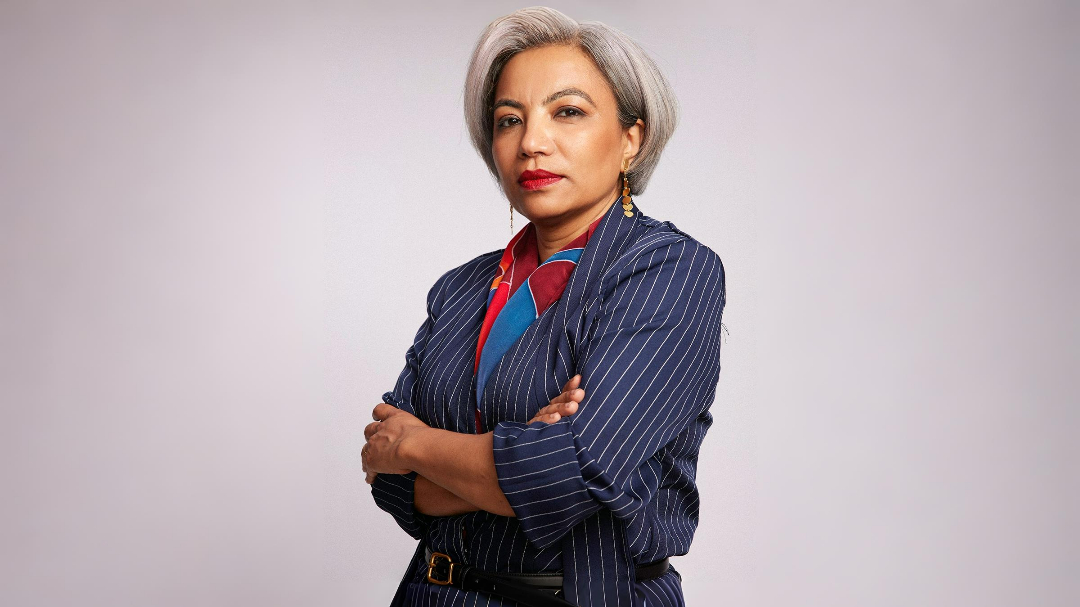
As part of the interview series, Dhaka DocLab is honored to spotlight Subina Shrestha, a renowned Nepali journalist, documentary filmmaker, and impact strategist, whose work bridges the worlds of investigative reporting and powerful visual storytelling.
Her debut feature-length documentary, Devi, began as a quiet conversation and evolved into a nationwide movement—bringing to light the voices of wartime rape survivors in Nepal and sparking political engagement at the highest levels. A participant in Dhaka DocLab 2021, Subina shares her journey from journalism to filmmaking, how international platforms helped her find partners, and her reflections on the political climate in Nepal today.
You are a journalist. What actually triggered you to turn to documentary filmmaking?
I actually began my journey more as a filmmaker than solely a journalist. Those two paths have always run in parallel in my life. I started out making short documentaries for television, but over the years, reporting became an important part of my work.
Devi, however, is my first feature-length documentary. For a long time, I hadn’t had both the time and the right story. The opportunity came when Devi herself reached out to me after many years and shared her diary. That was the turning point—I knew it was time to make this film.
From the outset, this has been a story supported by women. My producer, Rosie Garthwaite, another journalist turned filmmaker came on board after hearing the story. It has always been about women standing with other women and making sure these silenced voices are heard.
Is this your first feature-length film? Why did you choose this particular theme as your debut?
Yes, this is my first feature-length film. I chose this theme because the story of wartime sexual violence in Nepal had always been on my mind. I had heard about it during my reporting, but I also knew that the state had done little, and many women remained silent.
As a woman, a journalist, and a filmmaker, I have always felt that silenced stories are the ones you must bring forward. For me, Devi’s courage, her extraordinary character, and the responsibility of telling her story made this the film I had to make.
Can you share the details of your journey with Devi?
The journey began in 2019. For an entire year, Devi and I simply had conversations, we recorded facts, went through her diary, and tried to verify details. At the time, I imagined making a 15-minute short film, not a feature.
But in the very first interview, Devi asked: “What if 100 women went to the government—what would they do?” That question changed everything. I asked her if she wanted to pursue it, and when she said yes, I decided to support her.
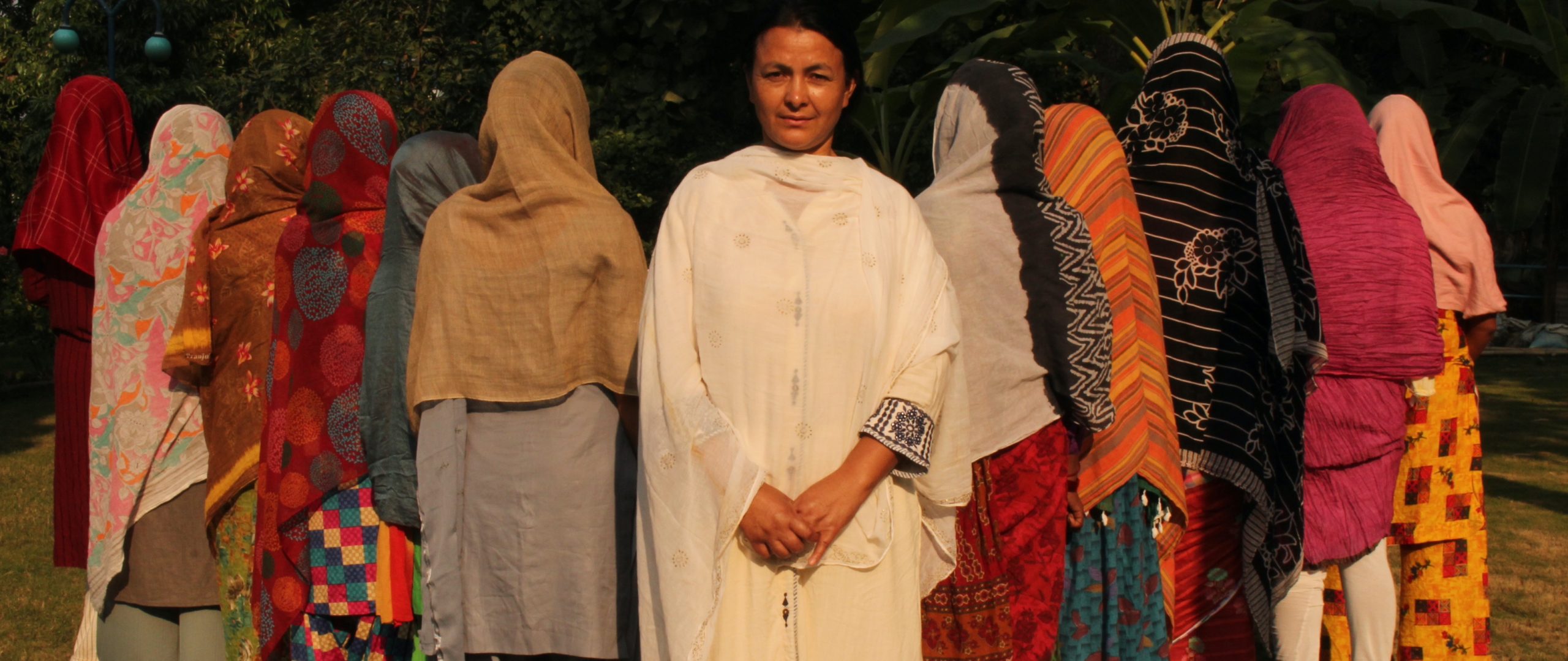
As Devi began telling her story, she started to see her own experiences more clearly, the pressures she faced, the manipulation, the compromises. That clarity inspired her to act. From then on, her activism and the making of the film grew in parallel.
We had to be discreet, because we were confronting some of the most powerful men in the nation. We raised personal funds and accompanied Devi as she gathered the voices of other women. By 2022, she was meeting with leaders like then Prime Minister Sher Bahadur Deuba and former rebel leader Prachanda.
Our film follows Devi until the end of 2023, when the government was still trying to exclude wartime rape from the Truth and Reconciliation Act. But Devi never stopped fighting. By the end of the process, the number of wartime rape testimonies rose from 314 to 3,800—a remarkable achievement made possible by Devi’s determination and the strength of the women who stood with her.
Devi was selected for pitch at Dhaka DocLab in 2020, and later at Cannes Docs @ Marché du Film. Did that help you find international collaboration partners for your film?
Yes, absolutely. Dhaka DocLab was a turning point for us. It was there that we met Heejung Oh, who later became one of our co-producers. Much of our finishing funds eventually came from Korea.
The collaboration was important not only in practical terms but also symbolically—as a South Asian and Asian collaboration. Korea’s own history with the comfort women issue resonated strongly with decision-makers there, and that opened doors for us.
Through these connections, we also received awards from South Asia and Korea, which were crucial in completing the film. And of course, selection at Cannes Docs at Marché du Film gave us international visibility we would not otherwise have had.
Impact is a vital issue for this particular film. How did you plan a strategy for creating impact with Devi in Nepal?
We designed our impact strategy from the very beginning. With the support of our partners at Think Films, we structured a plan and built connections with international organisations.
One early outcome was Devi’s engagement with the UN Special Rapporteur on Sexual Violence, which helped her strategise. Later, in November 2022, Devi spoke at the Preventing Sexual Violence in Conflict conference in London, where representatives from over 60 countries were present. That international exposure made it far more difficult for the state to silence her.
The second phase of the impact campaign was centred in Nepal, particularly when Devi faced significant pressure. We connected her and other survivors to supportive organisations and countries, which raised their profile and provided resources—training, legal support, and campaign assistance.
Most importantly, survivors began to take their own narratives into their own hands. We created the connections, but they chose to lead. It is their strength and leadership that have carried this movement forward.
Nepal is going through huge changes. As a journalist-turned-filmmaker, how do you react to these changes?
Nepal is once again facing major political upheaval. It can be difficult—even overwhelming—to grasp these shifts. But in my lifetime, I have already witnessed at least three struggles for democracy.
Coming out of Devi, I feel both proud of the impact we made and deeply concerned. The space for women’s voices and for justice now feels narrower, and progress will likely take longer.
Still, I remain cautiously optimistic. My hope is that democracy will not be derailed. Because whether we are journalists or filmmakers, without democracy and freedom of expression, we cannot function—and we cannot exist.
Are you planning any new film projects?
At present, I don’t have any projects that are fully concrete. I am in the process of developing several ideas, though it’s too early to say how far they will go. With many elements still in flux, I am letting the work take shape before committing to the next step.
What excites me most is the possibility that these ideas, once they crystallise, could open up new ways of telling stories that matter.